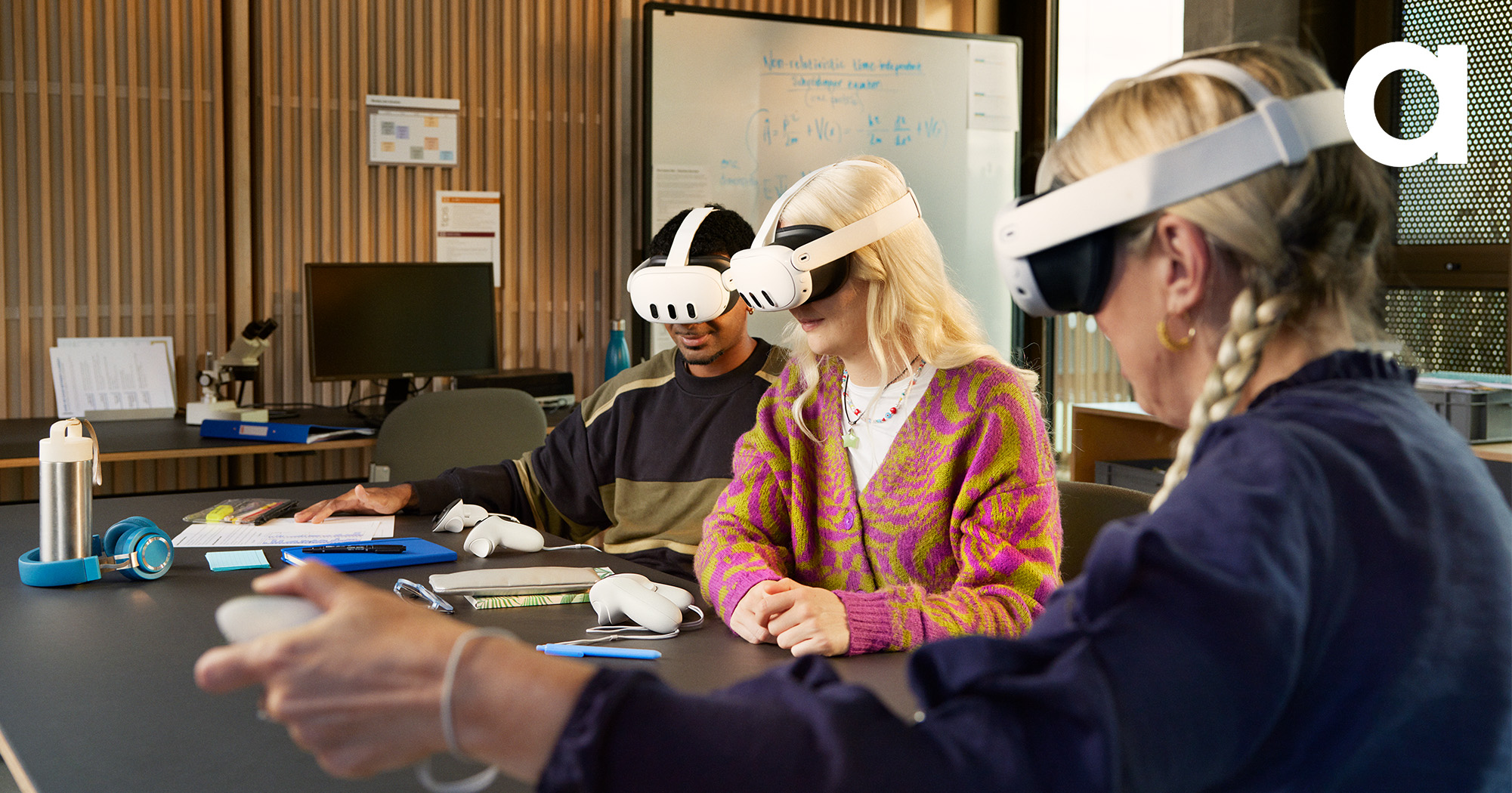

Education has never been static. From chalkboards and textbooks to tablets and interactive whiteboards, classrooms have continually evolved to meet the needs of learners. One of the most significant shifts in modern education is the rise of gamified learning—an approach that uses game elements to motivate students, improve engagement, and enhance learning outcomes. What began as simple classroom games has now become a sophisticated, technology-driven teaching strategy used across grade levels and learning environments.
Understanding how gamified learning evolved helps educators appreciate why it works, how it supports modern teaching goals, and where it is headed in the future.
What Is Gamified Learning?
Gamified learning refers to the use of game mechanics—such as points, challenges, rewards, competition, and progression—in educational contexts. The goal is not to turn learning into a game for entertainment alone, but to apply game principles that encourage participation, persistence, and deeper understanding.
Unlike traditional instruction, gamified learning places students at the center of the experience. Instead of passively receiving information, learners actively engage, make decisions, and see immediate results from their efforts. This approach aligns closely with how students interact with technology and digital media in their daily lives.
Early Roots of Gamified Learning
Learning Through Play in Traditional Classrooms
Long before digital tools existed, teachers used basic forms of gamification. Spelling bees, math races, flashcard competitions, and classroom reward systems were all early examples of learning through play. These activities relied on simple incentives such as praise, stickers, or points to motivate students.
For many learners, these methods were effective. Competition encouraged participation, and rewards made lessons more exciting. However, these early forms of gamification were limited in scope and consistency.
Limitations of Early Classroom Games
Traditional gamified activities faced several challenges:
- They were difficult to scale in large classrooms.
- Tracking individual student progress was time-consuming.
- Engagement often depended heavily on teacher energy and classroom dynamics.
- Learning outcomes were not always measurable.
While effective in short bursts, early gamification lacked the structure needed for long-term instructional impact.
The Influence of Educational Psychology
Motivation and Learning Theory
The evolution of gamified learning is closely tied to research in educational psychology. Studies on intrinsic and extrinsic motivation revealed that students learn best when they feel motivated by curiosity, mastery, and personal achievement—not just external rewards.
Games naturally support these principles. They provide:
- Clear goals
- Immediate feedback
- A sense of progression
- Opportunities to retry without failure stigma
As educators began applying these ideas more intentionally, gamified learning became more than just a classroom activity—it became a pedagogical strategy.
Mastery-Based Learning Connections
Gamification also aligned with mastery-based learning, which emphasizes understanding concepts before moving forward. Games allow students to practice skills repeatedly in different ways, reinforcing learning without the pressure of high-stakes testing.
The Digital Shift: Gamification Goes Online
Technology Transforms the Classroom
The widespread introduction of computers, tablets, and internet access marked a turning point in gamified learning. Educational software made it possible to:
- Deliver interactive quizzes
- Provide instant feedback
- Track student performance automatically
- Engage entire classrooms simultaneously
Digital tools solved many of the limitations of traditional classroom games by offering consistency, scalability, and measurable outcomes.
Early Digital Learning Games
Initial digital learning games focused primarily on drills and practice. While effective for reinforcing basic skills, they often lacked creativity and depth. Over time, developers began incorporating more complex mechanics such as narratives, strategy, and adaptive difficulty.
This shift laid the groundwork for modern gamified platforms.
The Rise of Classroom Gamification Platforms
Engagement Meets Instructional Design
As educational technology matured, gamified learning platforms became more intentional in their design. Instead of simply testing knowledge, these tools aimed to support instruction by:
- Reinforcing lesson objectives
- Encouraging critical thinking
- Providing actionable data to teachers
Gamified learning was no longer just an add-on—it became integrated into lesson planning and assessment.
Teacher-Controlled Gamification
Modern platforms gave teachers greater control over content, pacing, and difficulty. Educators could align game activities with curriculum standards, customize questions, and choose how students interacted with material.
This balance between engagement and instructional purpose helped gamified learning gain credibility in academic settings.
Gamified Learning and Student Engagement
Why Engagement Matters
Student engagement is a key predictor of academic success. When students are actively involved in learning, they are more likely to:
- Retain information
- Participate in class
- Develop positive attitudes toward school
Gamified learning addresses common engagement challenges by making learning interactive and dynamic.
Motivation Without Pressure
One of the strongest benefits of gamified learning is its low-pressure environment. Students can make mistakes, learn from them, and try again without fear of embarrassment or failure. This encourages risk-taking and persistence—two essential skills for learning.
Inclusivity and Accessibility in Gamified Learning
Reaching Diverse Learners
Gamified learning supports a wide range of learning styles. Visual learners benefit from interactive interfaces, while kinesthetic learners engage through active participation. Auditory learners can benefit from explanations and feedback embedded within games.
This inclusivity helps ensure that more students feel successful and confident.
Supporting Struggling Students
For students who struggle with traditional assessments, gamified learning provides alternative ways to demonstrate understanding. Repetition feels less tedious when framed as a game, and progress feels achievable.
Gamification in Blended and Remote Learning
Adapting to New Learning Environments
The shift toward blended and remote learning accelerated the adoption of gamified tools. Teachers needed ways to keep students engaged outside the physical classroom, and gamification provided an effective solution.
Interactive games helped recreate classroom interaction by encouraging participation, competition, and collaboration—regardless of location.
Consistency Across Learning Modes
Gamified platforms allow teachers to maintain consistent instructional practices whether students are learning in-person, online, or in hybrid settings. This continuity supports better learning outcomes and classroom management.
Data-Driven Gamified Learning
Real-Time Feedback for Teachers
Modern gamified learning tools provide detailed insights into student performance. Teachers can see:
- Which concepts students understand
- Where misconceptions occur
- How individual students are progressing
This data allows for targeted instruction and timely intervention.
Empowering Students with Feedback
Students also benefit from immediate feedback. Knowing whether an answer is correct—and why—helps reinforce learning and build confidence. Progress indicators and achievement markers motivate continued effort.
The Role of Strategy and Critical Thinking
Moving Beyond Speed-Based Games
Early digital games often rewarded speed over understanding. Modern gamified learning emphasizes strategy, problem-solving, and thoughtful decision-making. Students must apply knowledge rather than guess quickly.
This shift supports higher-order thinking skills and deeper learning.
Encouraging Long-Term Retention
By revisiting concepts in different contexts, gamified learning promotes long-term retention. Students are more likely to remember information when learning feels meaningful and engaging.
Artificial Intelligence and the Future of Gamified Learning
Personalized Learning Experiences
Artificial intelligence is shaping the next phase of gamified learning. AI-powered systems can:
- Adapt difficulty levels automatically
- Recommend personalized practice
- Generate targeted questions based on performance
This personalization ensures that students are challenged appropriately without becoming overwhelmed.
Intelligent Assessment
AI also enhances assessment by analyzing patterns in student responses. Teachers gain insights not only into what students answered incorrectly, but why.
Challenges and Considerations
Avoiding Over-Gamification
While gamified learning is powerful, it must be used thoughtfully. Overuse or poorly designed games can distract from learning objectives. Successful implementation requires balance.
Teacher Training and Support
Educators need proper training to use gamified tools effectively. Understanding how to integrate games into instruction is just as important as the technology itself.
The Long-Term Impact on Education
Gamified learning has reshaped classrooms by shifting the focus from passive instruction to active engagement. It encourages curiosity, resilience, and collaboration—skills that extend beyond academics.
As education continues to evolve, gamification will remain a valuable strategy for meeting the needs of modern learners.
Frequently Asked Questions
What is the main goal of gamified learning?
The main goal is to increase student engagement and motivation while reinforcing learning objectives through interactive and meaningful experiences.
Does gamified learning replace traditional teaching?
No. Gamified learning complements traditional instruction by enhancing practice, review, and assessment.
Is gamified learning effective for all subjects?
When designed thoughtfully, gamified learning can be effective across subjects, including math, science, language arts, and social studies.
Final Thoughts
The evolution of gamified learning reflects education’s ongoing effort to meet students where they are. From simple classroom games to advanced digital platforms powered by artificial intelligence, gamification has proven its value as an instructional strategy. When used intentionally, it transforms learning into an experience that is engaging, inclusive, and effective.